



Remote Studios: Voice Production Without Borders.
Insight


Think English is just one language? Think again.
We often talk about “speaking English” as if it’s just one thing, but the moment you listen closely, you realise it comes in countless voices. Accents carry stories: where someone grew up, who they spend time with, and how they experience the world. That’s what makes English so rich, and so endlessly fascinating. Different beats, different melodies, same language. From Caribbean lilt to Scottish grit, from Indian cadence to Texan drawl, accents give English its colour and character. And understanding them means understanding people.
Throughout world history, English language has spread across the globe due to the influence of England and British Empire. This worldwide presence has left a lasting mark on many modern civilizations and societies, shaping education, administration, media and culture. Indian-American Linguist Braj Kachru coined the term “World English” to describe this global phenomenon, and later developed one of the most influential models for understanding it : the Three Circles of English.
Kachru’s model distinguises between: Inner Circle, Outer Circle and Expanding circle.
This framework illustrates why English exists today not as a single language, but as a rich mosaic of varieties. It highlights the social, historical, and cultural factors that have shaped the way English is spoken and perceived in different parts of the world. Understanding this model is essential for appreciating why accents, dialects, and regional variations exist, and how they continue to influence the way the language is experienced globally.
English today acts not just as one more language among many, but as a global tool for communication, enabling interactions across borders, and cultures. With an estimated 1.5 billion speakers worldwide, many of whom use English as a second or additional language, English’s reach is unparalleled. Online too, English dominates: nearly half of the top 10 million websites use English as their content language.
A lingua franca, by definition, is a language used as a bridge between speakers of different native tongues, its purpose being shared understanding rather than replacing local languages. In the domains of business, science, diplomacy, technology and online interaction, English consistently serves this bridging role.
What this means for accents is profound: when English is used globally by people from myriad backgrounds, the notion of a single “standard” accent becomes less relevant. Instead, English accommodates a multitude of variety, allowing different accents, rhythms and pronunciations, as long as intelligibility and communicative function are preserved. This helps explain why accents such as British RP, Texan drawl, Nigerian English or Australian English coexist, evolve and matter: because they reflect identity, region, and culture, while all working within a common global medium.
To truly understand English as a global language, it helps to hear it spoken by people from every corner of the world. This is where the International Dialects of English Archive (IDEA) comes in. Founded in 1998 by dialect coach Paul Meier at the University of Kansas, IDEA is the first free online archive dedicated to collecting authentic recordings of English speakers worldwide.
Today, IDEA hosts hundreds of recordings, capturing a wide range of regional, social, and cultural variations, from the Midlands of England to rural Jamaica, from urban Singapore to small towns in Nigeria. Each sample doesn’t just demonstrate pronunciation; it offers a window into the speaker’s culture, history, and identity. For linguists, educators, actors, and language enthusiasts, IDEA is an invaluable resource, allowing listeners to explore the living diversity of English accents. By listening to real voices, we gain a deeper appreciation of how English functions as a global lingua franca: flexible, adaptable, and richly varied.
Want to hear English in all its variety?
Movies are a fun and immersive way to experience different accents, dialects, and speech patterns. Each film offers a chance to listen closely and notice how culture, history, and region shape the way people speak. Here’s a selection of accents and films that will take your ears on a global tour of English. Keep in mind this list is just a glimpse, many more accents exist and continue to evolve every day, reflecting the living, dynamic nature of the language.

Harry Potter — Harry Potter Series
South East England — Commonly called Received Pronunciation (RP), it's also refered as Queen's English, carrying high social prestige.

Raj Koothrappali — The Big Bang Theory
India — Vowels, Consonnants and Stress change from British standard : for instance, Indian accented speakers tend to stop the air for "th" sound making it sound "t" or "d".
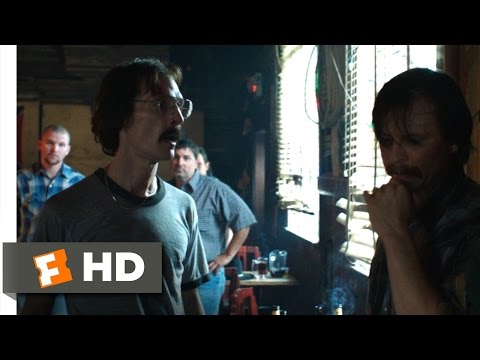
Ron Woodroof — Dallas Buyers Club
Texas, USA — Slightly influenced by Spanish language due to cultural ties with Mexico, the pronunciation is specific, especially concerning the "r" always rolled, making it a rhotic accent.

Suzie — 76
Nigeria — Features clear enunciation of consonants and vowels, but also melodic and rhythmic that influence intonation, often guided by a rising and falling pattern.

Aldo Raine — Inglourious Basterds
Southern USA — Characterized by vowel shifts, drawled front vowels, fronted back vowels, and rhotic pronunciation.
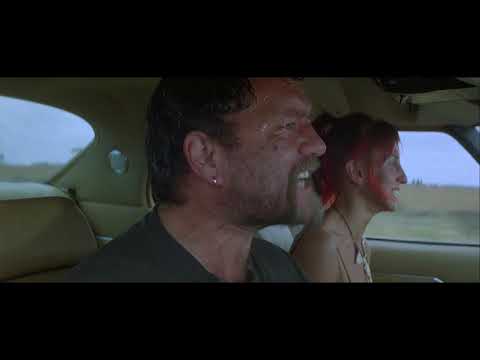
Max Rockatansky — Mad Max
Australia — Typically non-rhotic, often using flapped or deleted sounds and characterized by long vowels and heightened nasal resonance.

Tony Stark — The Avengers
North Midland, Middle and Midwestern US — Clear vowel sounds, rhotic speech, neutral intonation, T-flapping.

Paddington Bear — Paddington
East London — Marked by features like the diphtong /aɪ/ shifting to [ɑː], frequent dropping of H-sounds and glottal stops, distinctive rhythm and rhyming slang.
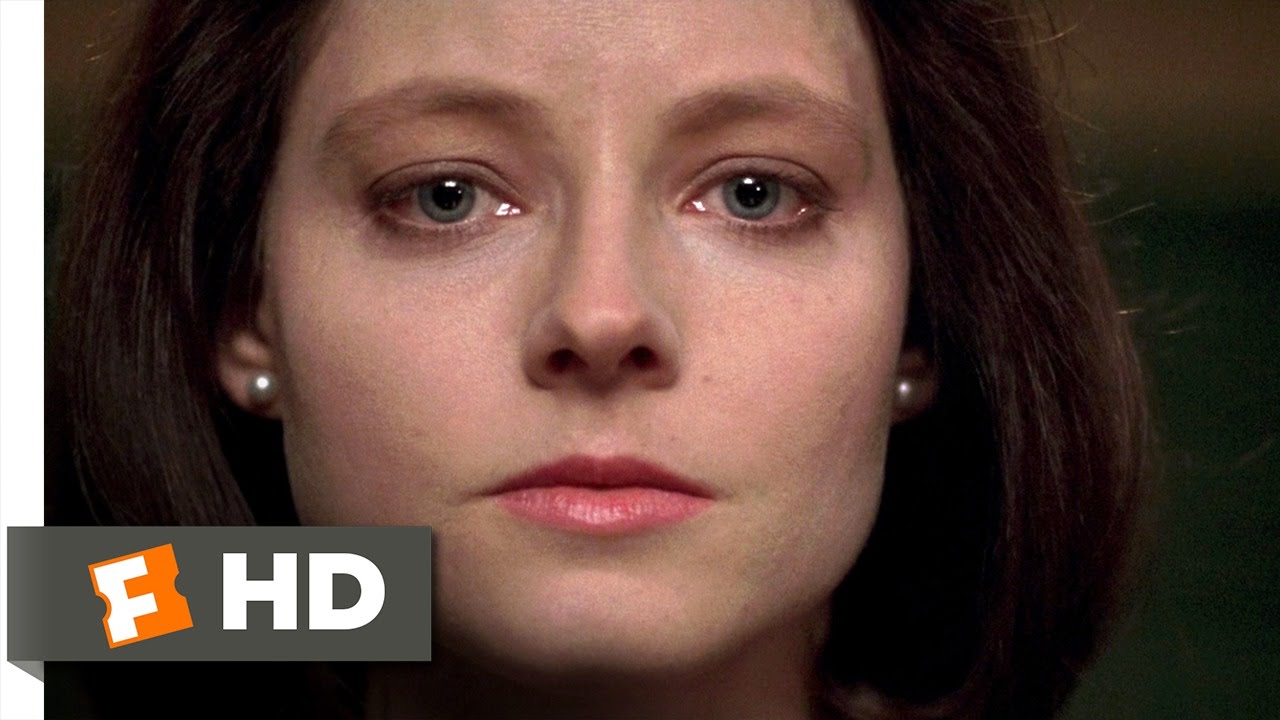
Clarice Starling — The Silence of the Lambs
West Virginia, USA — Appalachian English characteristics marked by distinct vocabulary, pervasive rhotic, and grammatical double modals.

Shrek — Shrek
Scotland — Features shortened vowels, strong rolled or tapped sounds, tendency to glottal-stop the "t", and distinct vowels substitutions such as /u/ and /oo/ merging to “oo”.

Pádraic Súilleabháin — The Banshees of Inisherin
Ireland — Rhotic, soften vowels, "r" sounds emphasized, drop the closing "g" in words ending by "ing", litling upward phrase rise.

Obesandjo — District 9
South Africa — Non-rhotic, flattened vowel sounds, and lexical borrowings due to heavy influence from Afrikaans and indigenous languages, also in its rhythm.

Thomas Shelby — Peaky Blinders
Birmingham, England — Characterized by a downward intonation at the end of sentences, non-rhotic outside vowels, and generally monotone low pitch making statements sound softer and flattened.

Chris Carson — The Responder
Liverpool, Merseyside — Characterized by emphasized nasal, strong melodic rhythm, unique vowels and consonant patterns, non-rhotic pronunciation, lively intonation with intense rises and falls.

Dave — The Full Monty
Sheffield / Yorkshire, Northern England — Marked by the absence of foot-strut split, frequent glottal stops, h-dropping in informal speech, definite article reduction and non-rhoticity.

Will Hunting — Good Will Hunting
Boston / New England, USA — Characterized by non-rhoticity (dropping “r” sounds in words like “car”), broad “a” vowels, fronted and rounded vowel shifts, and a distinctive nasal resonance.
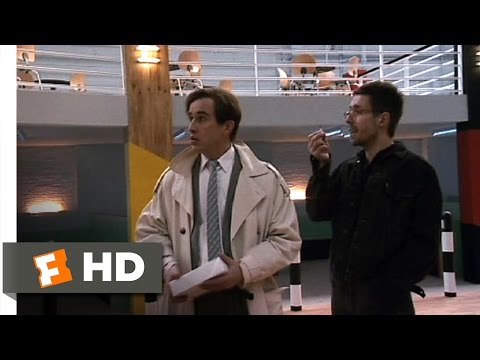
Tony Wilson — 24 Hour Party People
Manchester, North West England — A lower‑pitched, urban accent with over‑enunciated vowels, a distinctive nasal quality, occasional h‑dropping, and a brisk, lively intonation.

Denis Campbell — Yardie
Jamaica — Rhythmic, melodic accent with variable rhoticity, distinctive consonant patterns, full unstressed vowels, and a warm, flowing intonation.
English is never just one thing, it’s a living, evolving mosaic of voices, shaped by history, culture, and the people who speak it. By paying attention to accents, dialects, and regional quirks, we don’t just learn how English sounds, we learn how people express identity, connection, and belonging around the world. So next time you listen, take a moment to notice the melody, the rhythm, and try to guess the accent. English is as diverse as the people who speak it, and that’s what makes it endlessly fascinating.


.webp)

.webp)