



Video Game Localization Kit: Your Ultimate Guide
Toolbox

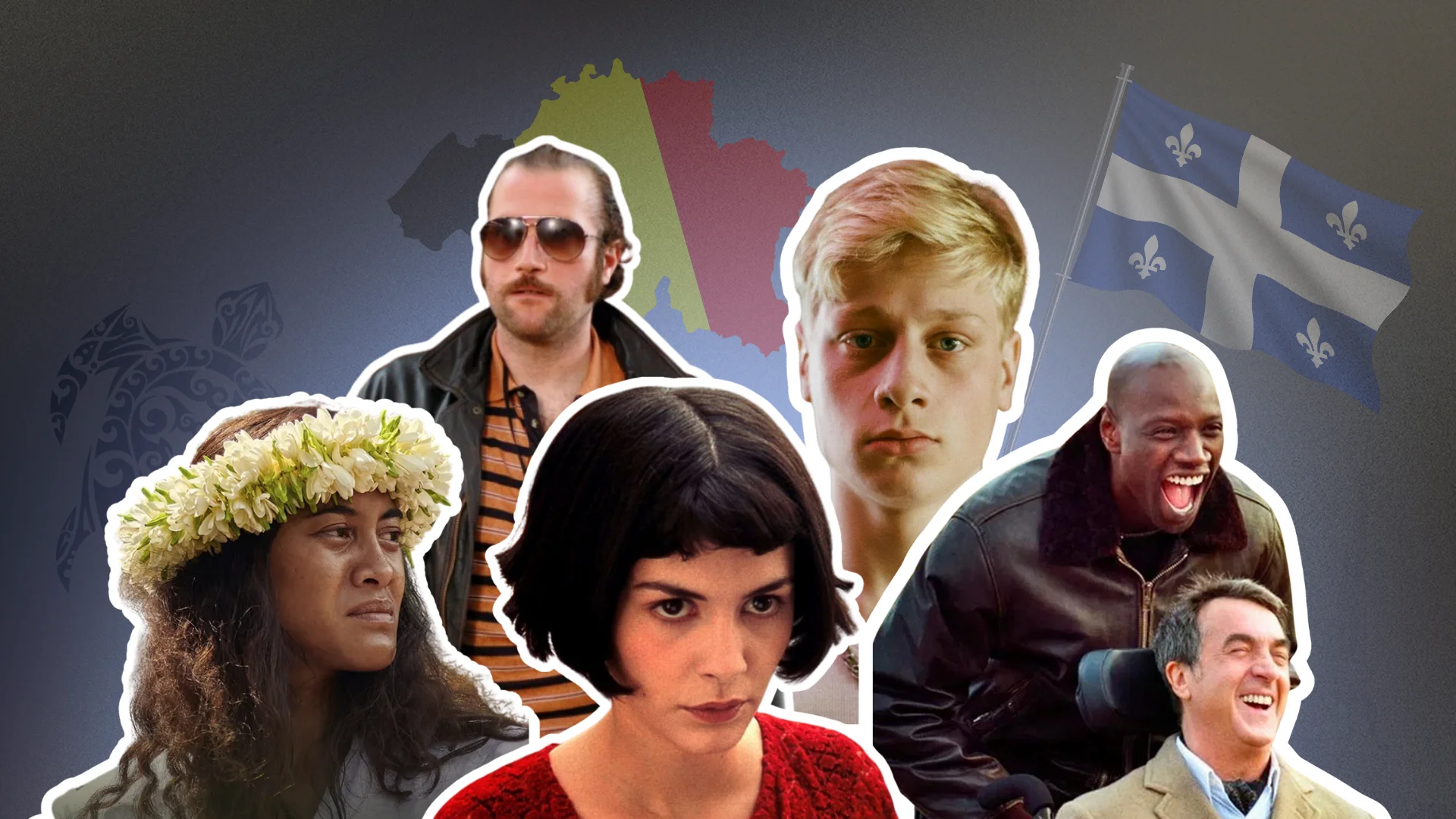
To understand today’s French diversity, we need to look at how the language took shape.
The story begins with Vulgar Latin, introduced in Gaul during the Roman period. This Latin blended with the Celtic Gaulish languages spoken by local populations, leaving traces still audible in some rhythms and intonations. Centuries later, the arrival of the Franks, a Germanic civilization, deeply influenced northern speech patterns, adding new sounds, stress, and everyday words. As a result, by the Middle Ages, “French” was not only one language but a network of linguistic varieties across the territory.
As French evolved, it didn’t remain confined to the borders of France. Over centuries, the language travelled and settled in many regions of the world, reaching an amount of almost 320 million speakers worldwide. Among those, 255 million use French on a daily basis, ranking French in the top 10 most spoken languages worldwide. This global presence is captured by the term “Francophonie”, coined in 1880 by French geographer Onésime Reclus. Originally used to describe the spread of the French language, the concept gained renewed importance in the late 20th century as part of a broader rethinking of cultures, geography, and linguistic communities.
Today, Francophonie refers not just to a group of countries where French is spoken, but to the whole body of people and organisations using the French language regularly for public or private purposes. This includes communities where French is taught, used in administration, media, or daily life. The Organisation Internationale de la Francophonie (OIF) unites these countries and communities, promoting the French language, cultural diversity, and cooperation across continents. This global diversity gives the language its richness, creativity, and musicality, and forms the backdrop for the development of regional and international accents across the Francophonie.
Two major language areas shaped what would later become the geography of French accents.
From these two broad zones emerged roughly 75 regional languages and dialects, including Breton, Alsacian, Basque, Catalan, Corsican, Flemish, and Franco-Provençal. For centuries, many people learned these regional languages first and French later. As a result, local accents naturally incorporated the sounds, rhythms, and intonation patterns of the mother tongue: a process known in linguistics as language transfer. Even today, while fewer people speak regional languages fluently, their legacy lives on in French accents. Travelers and linguists alike can still identify a speaker’s origin from subtle pronunciation cues, vowel openness, consonant articulation, and melodic patterns: a testament to the rich linguistic history of metropolitan France.
In Belgium, French is influenced by Dutch and Walloon, giving speech a slightly melodic intonation and softer consonants in certain areas.
In Switzerland, French carries the precision and rhythm of Swiss multilingual communities, producing subtle differences in vowel length and pronunciation. Swiss are sometimes considered as the slowest french speakers.
Within Canada, French itself is not monolithic. Québécois French preserves features of 17th‑century French, with distinctive vowel sounds, nasalisation, and expressions that can feel both familiar and somehow archaic to a speaker from France, and English contact has subtly influenced pronunciation, intonation, and vocabulary. Acadian French, found mainly in the Maritime provinces like New Brunswick, Nova Scotia, or Prince Edward Island, retains older pronunciations and unique "r" rolling intonations.
In North Africa, French has developed into a range of regional varieties: in Maghrebian countries like Morocco, Algeria, and Tunisia, French often coexists with Arabic and Berber languages, borrowing that shape rhythm and everyday expressions.
In West and Central Africa (Senegal, Côte d’Ivoire, Cameroon, Democratic Republic of the Congo), local languages such as Wolof, Lingala, and others influence pronunciation, intonation, and vocabulary.
Across the Caribbean and Pacific, French varieties are shaped by creole languages and local linguistic substrates: in the French Caribbean territories (Martinique, Guadeloupe, Haiti, French Guiana), the melodic intonation and rhythm of surrounding creoles influence the language and accents.
In French Polynesia and other Pacific territories, French is spoken alongside Polynesian languages such as Tahitian and others, producing local prosody and lexical influences that give Pacific French its own character distinct from Caribbean varieties, reflecting the cultural and linguistic environments of island life.
French culture has long captivated the world, influencing ideas, tastes, and artistic expression. From the splendor of Versailles, commissioned by Louis XIV, the “Roi Soleil,” to the transformative ideals of the 1789 Revolution, France’s history has helped guide the building of modern Europe. Its literary and philosophical giants like Victor Hugo, Charles Baudelaire, Molière, Rousseau, and Voltaire, explored human emotion, society, and morality in ways that still resonate today. This intellectual legacy is matched by creative innovations: French cinema, celebrated at the Cannes Film Festival, continues to influence global storytelling, while French "art de vivre" from its refined cuisine and wine to the elegance of haute couture houses Dior, Chanel, Yves Saint Laurent, and Jean-Paul Gaultier embodies the aesthetic sophistication the world associates with France. Through its history, arts, and lifestyle, French culture remains a source of fascination, inspiration, and global influence.

1789: The French Revolution reshaped France and inspired modern ideas of liberty, equality, and citizenship. It comes alive in Delacroix's iconic painting "La liberté guidant le peuple".

Victor Hugo, one of France’s literary masters, captured the soul of his nation through epic novels, poetry, and plays that continue to resonate everywhere among his most famous works like Les Misérables or Notre-Dame-de-Paris.
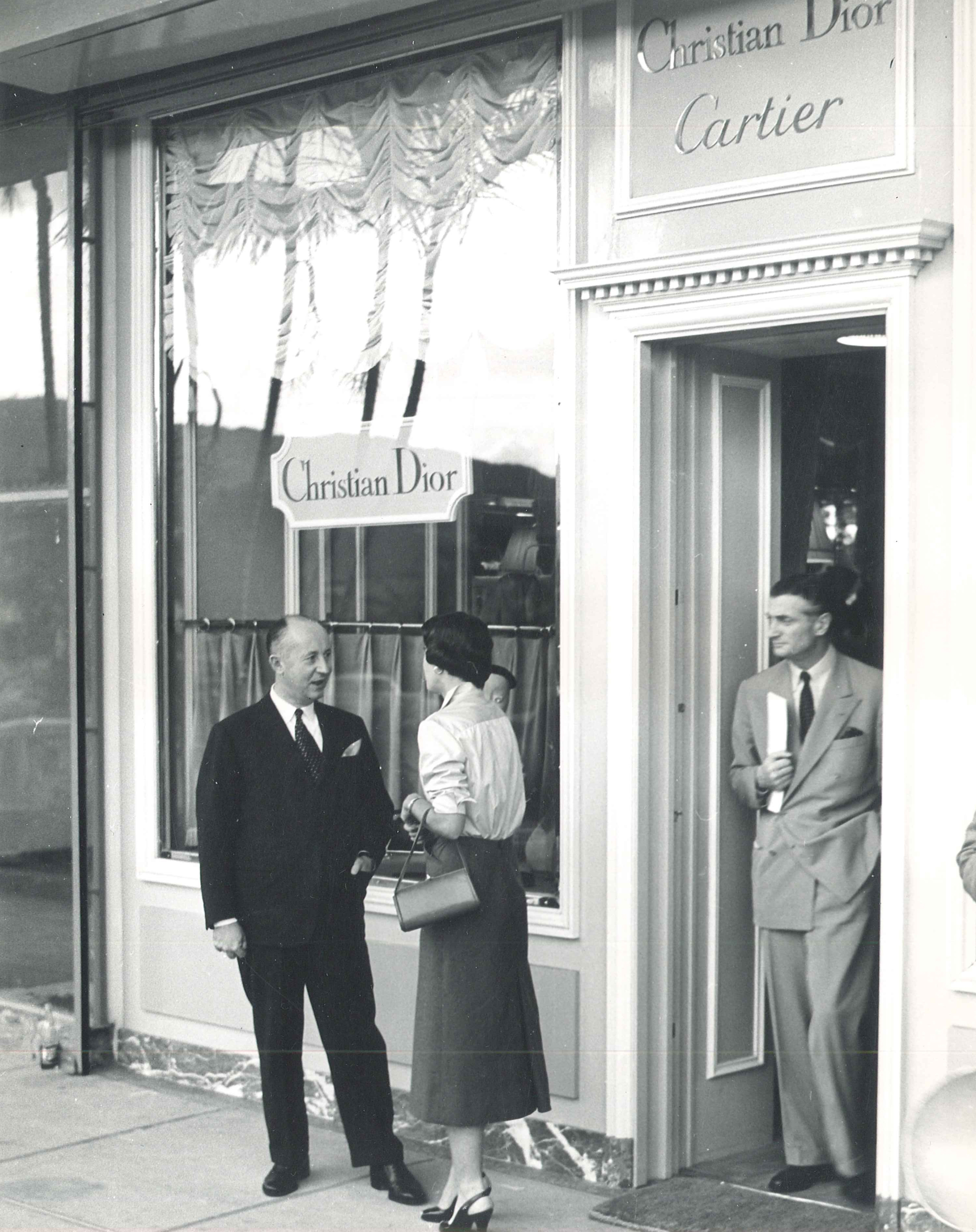
Founded in 1946, Maison Dior revolutionized fashion with its elegant designs, setting the standard for haute couture worldwide.
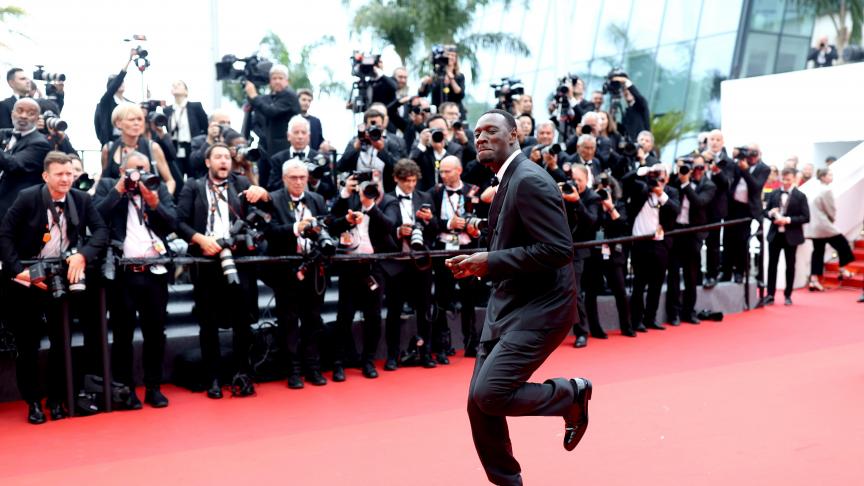
Since 1946, the Cannes Film Festival has celebrated cinematic excellence, showcasing both French and international films on the world stage. Here, the famous actor Omar Sy walking the iconic red carpet.
Around the world, French is perceived as having a soft rhythm and melodic cadence that often evoke an immediate sense of elegance and emotional depth among non-French speakers, a perception shaped by centuries of influence in fashion, cuisine, art, and intellectual life. This romantic aura is confirmed by data: a Google Translate analysis shows that French receives more love-related translations than any other major European language, while Babbel surveys rank French as both the “sexiest language” and the “sexiest accent” globally. Pop culture continues to amplify this reputation. In Emily in Paris, for instance, the French language is portrayed as irresistibly charming and sophisticated, with characters marveling at even the simplest French phrases. The series reflects a broader global fascination with French as a language of beauty, charm, and timeless allure.

Emily in Paris - How would you pronounce "un pain au chocolat" ? See Emily's bakery stop turning into a crash French grammar course.
Still, most people tend to think of the Parisian French when imagining the language or its accent, simply because it dominates cinema, television, and language-learning resources. This visibility often eclipses the true diversity of the Francophone world. Beyond what is considered “standard” metropolitan French lies a wide spectrum of accents shaped by regional histories, landscapes, and cultures. Since international audiences rarely hear these varieties despite their richness, it’s worth bringing them into the spotlight.
French wears so many voices. Let's hear them!
Each region, each country, adds its own twist to the language. These cards let you hear French in all its variety, through iconic movie characters. Keep in mind this list is just a glimpse, and many more accents exist and continue to evolve every day.
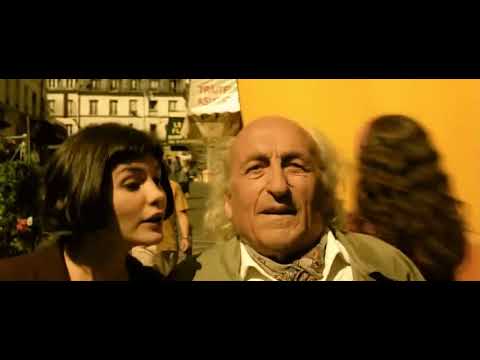
Amélie Poulain
Region: Paris — Often considered the “standard” French: relatively clear and neutral pronunciation, moderate rhythm

Bienvenue chez les Ch'tis
Region: Northern France — marked intonation, vowel shifts that sound more "closed", accented syllables

Marseille
Region: Southeastern France — melodic, warm, open vowels, silent-e in certain words, tends to have slower rhythm

Mommy
Region: Quebec, Canada — Vowel shifts, Nasalization, distinct prosody and rhythm sometimes faster or choppier compared to European French, idioms and anglicisms
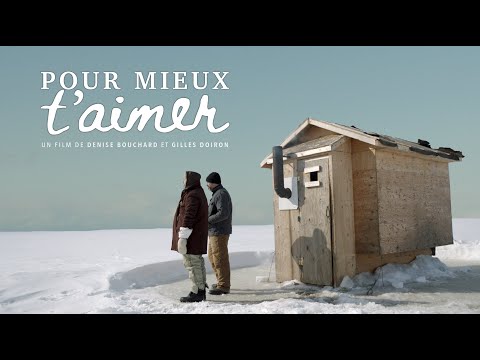
Pour mieux t'aimer
Region: Acadia (Eastern Canada) — Preserved older French traits, trilled “r,” palatalized consonants, vowel/nasal variations, unique local vocabulary.

Dikkenek
Region: Belgium — Maintains more vowel and consonants distinctions than French ones, slightly slower speech, lexical differences and idioms like for numbers

La Première Etoile
Region: Caribbean/French overseas — Vowel and syllable structure may be simplified, intonation and stress paterns may lean toward local languages, lexical mixing
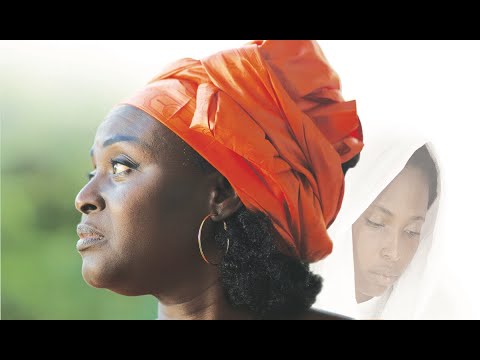
Une si longue lettre
Region: Senegal, West Africa — Clear enunciation, slightly melodic intonation, occasional vowel modifications and subtle rhythm variations, Wolof influenced.

Omar la fraise
North Africa (Morocco, Algeria, Tunisia) — French pronunciation influenced by local Arabic dialects, featuring marked consonants, vowel variations, and a distinctive intonation pattern

La dernière Reine de Tahiti
French Polynesia — Softer consonants, elongated vowels, melodic rhythm, and distinctive syllable-timed intonation influenced by Polynesian local languages.
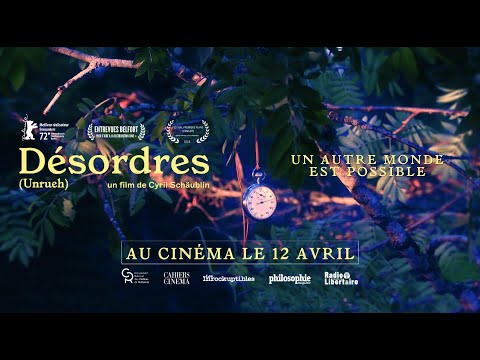
Désordres
Region: Switzerland — Clearly articulated syllables, slower speaking rhythm than in Metropolitan French, idioms

Louisiana Story
Region: Louisiana, USA — Influenced by local English and Creole, featuring different nasalization, diphthongized vowels, melodic rhythm, occasional simplifications, giving a slightly “rustic” and regional character.
French is more than the Parisian accent we often imagine, it’s a tapestry of voices spanning continents, cultures, and histories. Each accent carries its own rhythm, melody, and story, revealing the unique identity of the communities that speak it. By listening closely, we don’t just hear French but experience the diversity of the Francophonie as a window into culture, heritage, and creativity.



.webp)